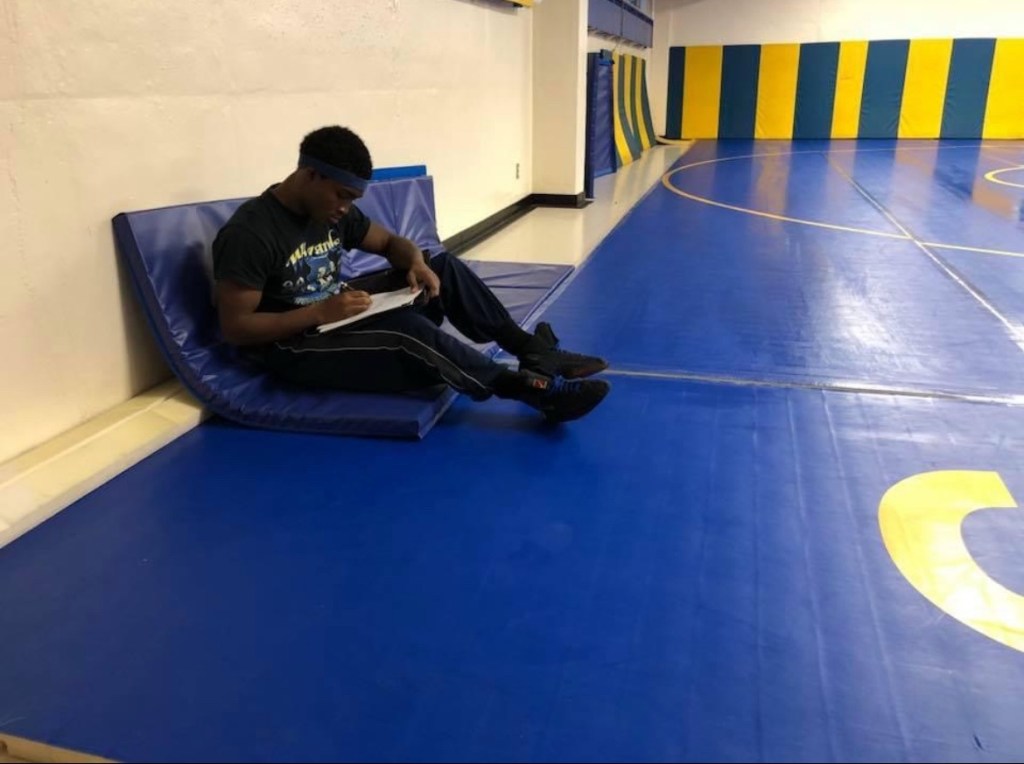
I’ll be discussing what NCAA Wrestlers do after college.
What do NCAA Wrestlers do after college?
Most wrestlers after their NCAA careers transition into diverse professional careers. It’s not too uncommon to see them in sales, business, law, engineering, or education.
Transitioning From Sports To Your Professional Career
The discipline that you get through your daily training routines can translate into a consistent performance, and even reliability in a professional workplace, because you’ve been there before.
These show through your team workouts you went through in your practices that would get you prepared for competition.
There’s much more to it when you look at what goes into being a disciplined student athlete in most cases?
We could even dive into nutrition habits, decisions made on and off the playing field, or whatever your team competes on.
We can even look at the resilience that most athletes have to exercise, whether it’s getting over a loss, an injury or any other thing that would hold them back.
And if it’s applied to the expectations of being a superior professional with whatever field they’re active in, it translates really well.
They typically have to demonstrate being able to handle this if they’re in a sales field or breaking news that somebody else might not want to hear.
And these are skills that can’t be taken for granted when you’re looking at the corporate expectations of the new employee.
The teamwork skills you develop through competitive sports translate well when you step into professional environments.
You’ve already experienced what it takes to navigate personalities, manage internal dynamics, and keep morale high when the pressure is on.
Sometimes that looks like rallying a group after a tough loss.
Other times, it’s doing what’s necessary to bring energy back into the room when performance hasn’t gone as planned.
All of that carries over into your career after athletics, because you’re still expected to demonstrate leadership, communication, and conflict resolution.
Whether the tension shows up internally within a team or externally with clients or stakeholders, those same instincts apply.
If we look at goal setting outside of sports, athletes already have a strong foundation.
You understand what it means to set a target, create a plan, and follow through with intention.
That might show up as writing affirmation statements about what you plan to accomplish in your career.
It might look like walking into each day with clarity about what you’re aiming to get out of it.
That level of intentionality is often overlooked. Many people simply go through the motions of their day.
The difference is that athletes are used to training with purpose. They don’t just participate — they prepare.
And that separates someone drifting through life from someone actively leading themselves.
Even the competitive mindset can be reframed into something valuable in professional spaces.
Competition doesn’t always have to be cutthroat.
It can be converted into friendly challenges that elevate team performance.
When done correctly, that mindset pushes everyone to sharpen their skills and raise the standard around shared objectives.
Whether it shows up in structured team challenges, bonding activities, or simple performance benchmarks, it creates momentum.
You also walk into your career with adaptability already built in.
You’ve adjusted to new coaches, new systems, unexpected setbacks, and high-pressure moments.
Pair that with emotional intelligence — understanding yourself and reading the room around you — and it becomes a highly valuable skill set to transition with.
 RealTalkAJ
Leave a comment