Modern artificial intelligence (AI) has grown into one of the most transformative forces of our time, shaping entertainment, education, and business.
While AI often feels futuristic, its real starting point for most people has been surprisingly accessible—public software that allows anyone to create.
From there, it has evolved into a standard part of our digital society.
Yet, even as AI advances, education and expertise remain essential, especially for tech leaders who use AI not just for innovation, but to automate and optimize their daily work.
Below are key perspectives on how AI has reached its current stage.
The Starting Point of Modern Artificial Intelligence
I consider the starting point of modern artificial intelligence to be public software that allows you to create for entertainment purposes. We’re in a content based society that embraces all things digital and it’s becoming our new standard. With that point however, education is still king in this scenario, and with that the leading tech experts that’s earning money from existing businesses is finding ways to automate their daily efforts—and that’s with modern AI.

Public Software as the Gateway
For many, the entry point into modern AI wasn’t in laboratories or research centers but through public software designed for creativity and entertainment.
Tools that generate art, music, or text gave everyday users a taste of what AI could do.
This accessibility removed barriers and turned AI from a distant concept into something interactive and fun.
By starting in entertainment, AI quickly captured attention, setting the stage for its expansion into more serious applications.

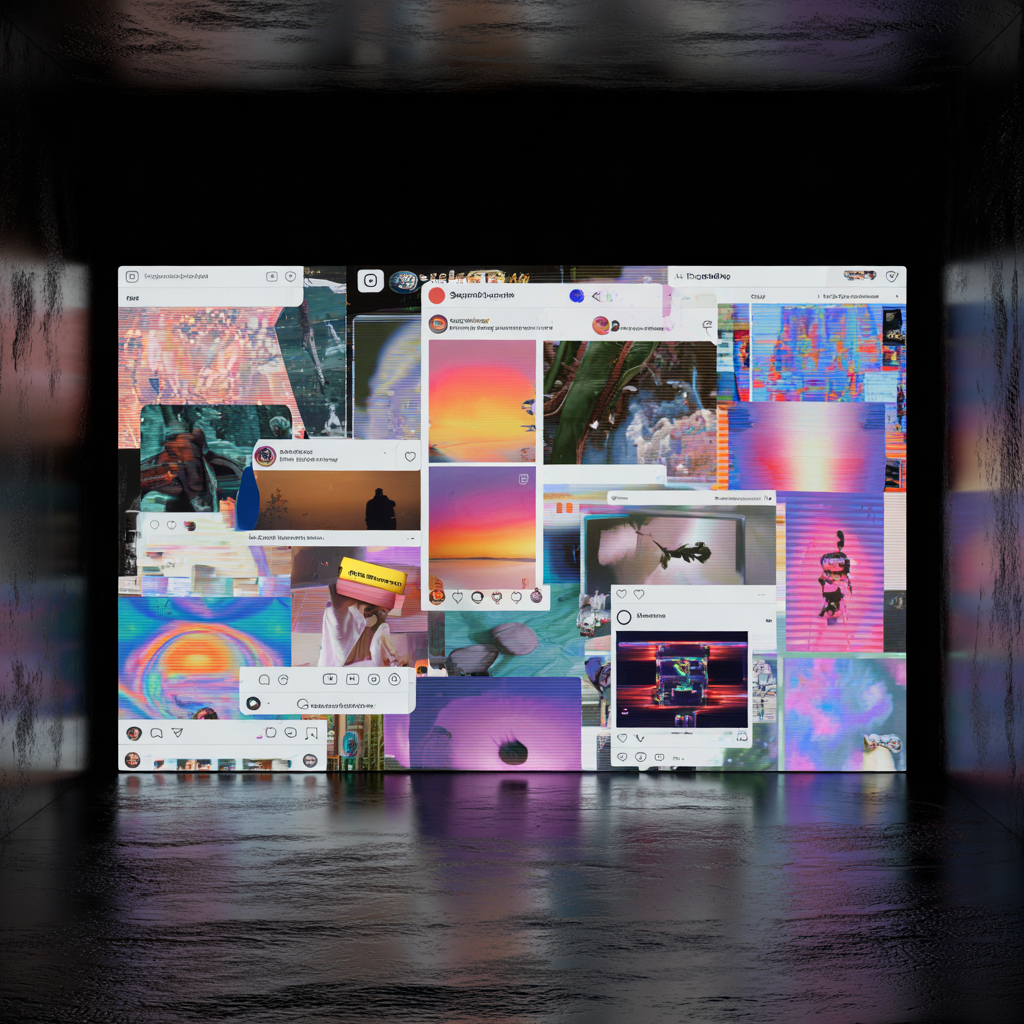
A Content-Based Digital Society
We now live in a society built around content.
Every platform, from social media to streaming services, thrives on constant digital creation.
AI fits seamlessly into this landscape, helping people generate more content faster.
This demand for digital material makes AI feel like a natural part of modern life.
Whether it’s assisting creators, marketers, or casual users, AI tools reflect and reinforce our cultural shift toward valuing digital expression as the standard form of communication and entertainment.
Education as the True Foundation
Even with AI’s growing influence, education remains the most important foundation.
Learning how to use these tools effectively, understanding their limitations, and applying critical thinking are what separate casual use from impactful application.
Without education, AI is just a novelty; with it, AI becomes a powerful tool for solving real problems.
This is why schools, universities, and training programs are emphasizing digital literacy alongside traditional subjects, preparing people to thrive in an AI-driven society.

Tech Leaders Driving Automation
Leading experts in the tech industry aren’t just talking about AI—they’re using it daily to automate routine tasks.
From streamlining workflows to analyzing massive amounts of data, AI is helping businesses cut costs and save time.
These leaders see AI not as a gimmick but as a tool for real productivity.
Their success stories highlight how AI is moving beyond creativity and entertainment into core business operations, showing its versatility and necessity in today’s economy.

The Balance Between Creativity and Efficiency
While AI started as a playful tool for creative expression, its real power emerges when paired with practical applications like business automation.
The balance between these two uses—creativity and efficiency—shows the dual nature of AI in modern society.
It inspires new ideas while also solving everyday problems.
This duality is what makes AI more than a passing trend; it’s becoming an indispensable standard for both individuals and organizations.

Conclusion
The story of modern AI begins with public software designed for entertainment but has quickly grown into a cornerstone of our content-based society.
Yet, even as AI transforms creativity and business, education remains king—ensuring that people know how to harness its full potential.
From creators to tech leaders, AI is no longer just a futuristic idea but a practical tool shaping how we work, learn, and live.
Its blend of creativity and efficiency is what ensures AI isn’t just our present reality but also our future standard.
 RealTalkAJ
Leave a comment