Self-improvement isn’t something that happens overnight—it’s a journey built on habits, reflection, and the willingness to explore life from different angles. For me, learning and growth don’t always come from traditional classrooms or structured training. Instead, they often emerge from everyday activities that allow me to sharpen my mind, expand my creativity, and build connections with others. The way I approach this journey is by blending intentional practices with experiences that might seem ordinary at first but carry long-term benefits. From gamifying my career to enjoying movies, music, exercise, and social events, each practice adds something unique to my personal development.
In what ways do you try to keep learning and improving yourself over time?
Gamifying My Career
One of the most effective ways I’ve found to keep improving myself is by treating my career like a game. Instead of viewing work as a series of stressful tasks, I reframe it as a process where I can “level up.” Just as games reward you with achievements and progress bars, I create my own markers of success—whether it’s completing a project ahead of schedule, mastering a new skill, or receiving positive feedback from colleagues.
This mindset keeps me motivated because it adds fun and challenge to my work life. I’ll often set “quests” for myself, such as learning a new software tool or expanding my communication skills, and then reward myself when I accomplish them. Gamifying my career also helps me track long-term progress. Just as video games allow you to look back at your stats, I keep a record of projects, milestones, and skills I’ve accumulated over time. That reflection shows me how far I’ve come and reminds me that growth is continuous.
Why it works: Gamification taps into intrinsic motivation, encouraging me to take risks, push limits, and enjoy the process of professional growth rather than simply chasing end results.
Listening to My Music and My Peers’
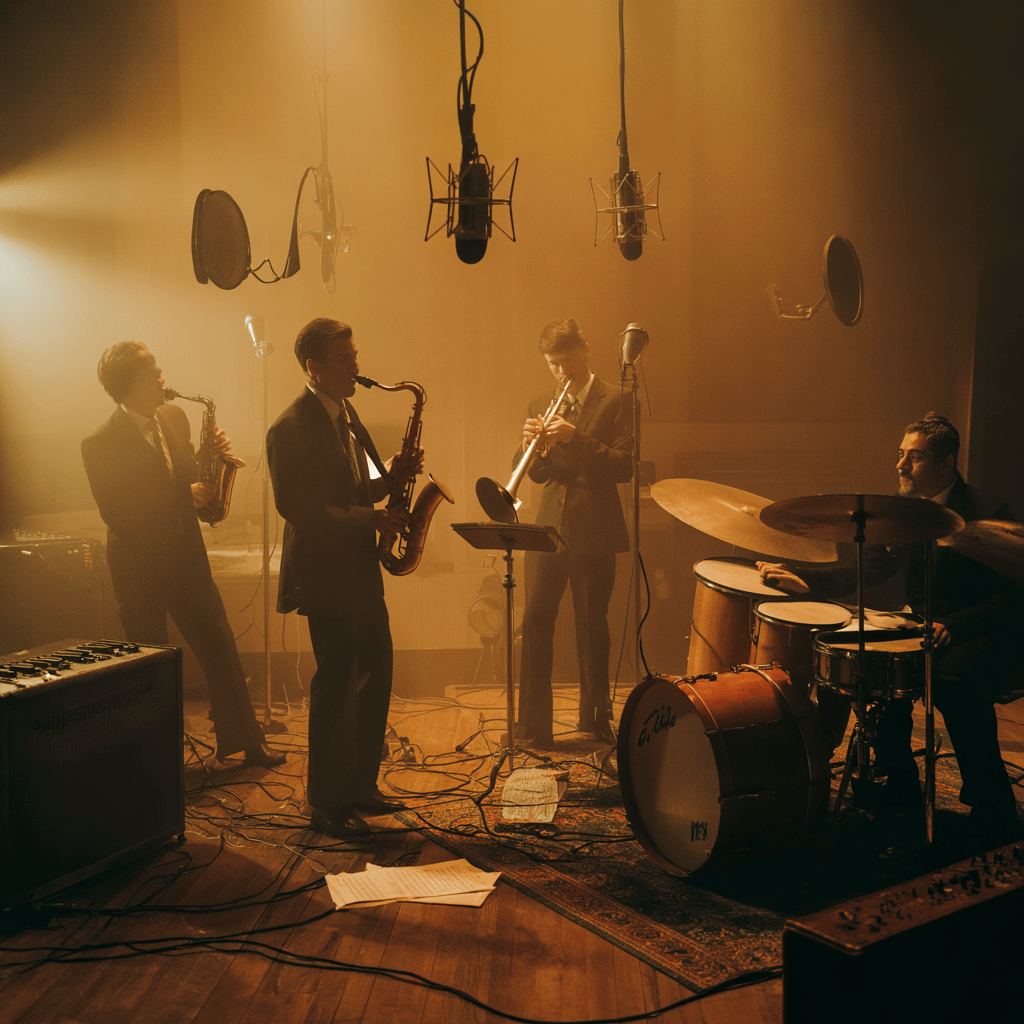
Music is another way I learn and improve—not just in a technical sense, but also emotionally and socially. By listening to my own music, I reflect on my growth as an artist or creator. Each track becomes a snapshot of where I was at a particular moment—what I was feeling, what I was learning, and how I was experimenting with sound. This self-reflection allows me to identify patterns in my creative process and improve with each project.
Equally important is listening to the work of my peers. Their music exposes me to new perspectives, techniques, and creative risks that I might not have considered otherwise. Sometimes I find inspiration in their beats, lyrics, or storytelling, which pushes me to step up my own game. Other times, I learn by simply observing how they express themselves differently from me.
Music becomes more than entertainment—it’s a dialogue between creators. By engaging with both my work and theirs, I continue to evolve as a listener, collaborator, and innovator.
Watching Movies
Movies may seem like casual entertainment, but they’re one of my favorite ways to keep learning. Each film carries lessons—whether in storytelling, culture, history, or human behavior. When I watch movies, I don’t just focus on the plot; I pay attention to how characters make decisions, how conflicts are resolved, and what emotions are being portrayed.
Beyond storytelling, movies also offer insight into different cultures and perspectives. A foreign film can teach me about traditions, values, and struggles from another part of the world. Documentaries, meanwhile, often open my eyes to real-world issues that I might not have otherwise encountered. Even blockbusters, while flashy, can reveal trends in technology, creativity, and audience expectations.
Watching movies also sharpens my critical thinking. I find myself analyzing what worked well in the film, what didn’t, and how I might have approached the same material differently. This practice of breaking down narratives strengthens not only my appreciation for art but also my ability to evaluate and communicate ideas in other areas of life.

Exercising Occasionally
Physical activity plays an important role in self-improvement, even if I don’t do it every single day. For me, exercise isn’t just about fitness—it’s about clearing my head, recharging my energy, and reminding myself of the importance of balance. A short workout, a jog, or even stretching helps me release stress and return to my work with more focus.
What I’ve noticed is that exercise sharpens discipline. Even occasional workouts require commitment, and that practice of showing up builds resilience that carries over into other parts of life. Additionally, exercise improves my mood and confidence. When I feel stronger physically, I also feel stronger mentally. That boost carries into my professional work, my creative projects, and my social life.
Even though I don’t exercise as rigorously as some, the occasional sessions remind me that growth isn’t only about mental or creative improvement. Taking care of the body is equally important because it gives me the foundation to pursue all my other goals.

Attending Social Events
Social events are another surprising way I continue to learn and improve. When I attend gatherings, whether they’re casual hangouts, networking functions, or cultural events, I get exposed to different personalities and ideas. These interactions expand my social intelligence by teaching me how to communicate better, listen actively, and adapt to different dynamics.
Socializing also helps me build confidence. The more I interact with people, the more I refine my ability to express myself and form meaningful connections. Sometimes I learn from direct conversations—someone sharing their experiences or giving advice. Other times, I learn just by observing how others carry themselves, handle conflict, or approach challenges.
What makes social events especially valuable is that they remind me learning doesn’t only happen in solitude. Growth is also collective. By putting myself out there, I gain insights I might never reach on my own. The shared energy of social settings motivates me to keep evolving both personally and professionally.

Conclusion
Learning and self-improvement aren’t always about books, classrooms, or traditional measures of success. For me, growth is embedded in how I engage with daily life. Gamifying my career keeps me motivated and helps me track progress. Listening to music—both mine and my peers’—pushes me creatively. Watching movies sharpens my critical thinking and cultural awareness. Exercising, even occasionally, strengthens both body and mind. And attending social events expands my social intelligence while fostering real connections.
Together, these practices form a well-rounded approach to self-improvement. They remind me that progress isn’t just about chasing achievements—it’s about continuously exploring new ways to challenge myself, express creativity, and connect with others. Over time, these small but intentional habits compound into meaningful growth, ensuring I never stop learning or evolving.


 RealTalkAJ
Leave a comment