I’ll be explaining why branding’s important for a company:
Branding is far more than a company’s logo, color scheme, or tagline—it’s the identity that defines how a business is perceived in the marketplace.
A strong brand helps build recognition, trust, and loyalty, while also giving businesses a competitive edge.
Let’s dive deeper into why branding is vital for any company.
Why Is Branding Important for a Company?
Branding makes the company stand out among competitors. It creates a professional appearance that welcomes business. When you’re making the job easier for the marketing team, the process gets streamlined much more efficiently. To get started, find a logo that’s unique to your company’s image.
Makes the Company Stand Out Amongst Competitors
Every industry has countless competitors fighting for consumer attention.
Branding is what helps a business carve out its own space and be memorable.
Without branding, a company risks blending into the background, becoming just another option rather than the option.
When a business clearly communicates what makes it different—whether it’s through visuals, tone of voice, or unique value propositions—it strengthens its position in the minds of consumers.
Take Apple, for example.
They don’t just sell phones and computers; they sell sleek, premium products that emphasize innovation and lifestyle.
That perception is carefully crafted through consistent branding across advertisements, packaging, product design, and even customer service.
Standing out is also about emotional connection.
People don’t just buy products; they buy into stories and identities.
Strong branding creates familiarity, and familiarity leads to preference.
Customers will return to a business they recognize, trust, and feel aligned with, even if there are cheaper alternatives elsewhere.


Creates a Professional Appearance That Welcomes Prospects
First impressions matter in business, and branding sets the tone for how potential customers perceive a company.
A polished, professional brand appearance builds trust from the very first interaction.
Whether someone encounters your brand on social media, through your website, or by walking into your store, they’re judging within seconds if your business feels credible.
A cohesive brand identity—clear logos, consistent fonts, aligned colors, and strong messaging—signals that a company is reliable and takes itself seriously.
This perception encourages prospects to believe the company will take them seriously as well.
Without that professional touch, even a business with great products or services may come across as disorganized or untrustworthy.
Think of it like walking into two restaurants.
One has mismatched menus, generic signage, and poor interior design.

The other has a consistent theme, polished menus, and professional presentation.
Most people will feel more confident dining in the second restaurant—not necessarily because the food is better, but because the branding instills trust.
Professional branding also shows that a company respects its customers’ experience.
It reassures them that they’re investing their money and time in a business that values quality and consistency.
Makes the Job Easier for the Marketing Team
Branding acts as a guiding framework for all marketing efforts.
Without a strong brand identity, marketing campaigns risk feeling scattered, inconsistent, or ineffective.
With branding in place, however, the marketing team has a foundation they can build on—clear messaging, visuals, and tone that all tie back to the brand’s personality and goals.
For example, if a company’s branding emphasizes eco-friendliness and sustainability, the marketing team instantly knows how to tailor campaigns—highlighting eco-friendly practices, using earthy colors, and creating messages around environmental responsibility.
The branding becomes a shortcut for decision-making, ensuring that all campaigns align with the company’s identity.
This consistency also makes campaigns more effective in the long term.
When prospects encounter marketing material that looks and feels the same across different platforms—social media ads, print flyers, email campaigns—they’re more likely to remember the business.
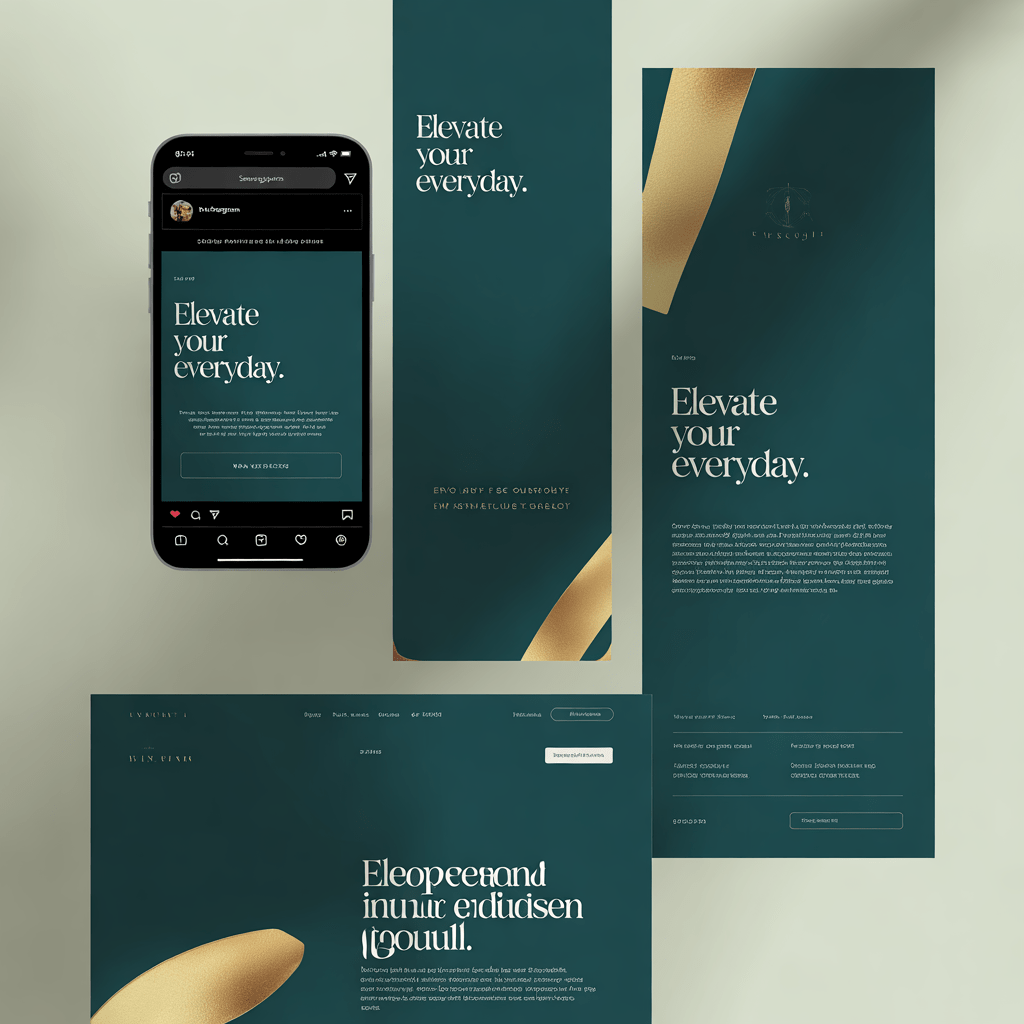
Branding removes confusion and reinforces recognition at every touchpoint.
In short, branding doesn’t just make the marketing team’s job easier—it makes their efforts significantly more impactful.
Instead of spending time reinventing the wheel for every campaign, they can focus on creative strategies that drive growth while staying consistent with the brand’s values.
Logos as the First Tool of Branding
When people think of branding, the first thing that comes to mind is often a company’s logo—and for good reason.
Logos serve as the visual cornerstone of branding, instantly recognizable and tied to the company’s identity.
A well-designed logo does more than just look appealing.
It communicates professionalism, values, and personality in a single glance.
Think of Nike’s “swoosh”—it’s not just a shape; it’s a symbol of movement, athleticism, and empowerment.

The best logos are simple, memorable, and versatile enough to be used on everything from billboards to business cards.
Logos are also an entry point into the larger brand story.
They often encapsulate color schemes, fonts, and design choices that carry over into other brand assets.
This makes them one of the first tools businesses consider when building a brand strategy.
For startups, investing in a thoughtful logo early on sets the stage for long-term consistency and recognition.
However, a logo on its own is not enough—it must be paired with consistent brand messaging, visuals, and customer experiences.
Still, as the face of the company, the logo is often the first step in creating an identity that resonates with audiences and sticks in their memory.
Conclusion
Branding is not just about looking good—it’s about creating a complete identity that communicates value, builds trust, and drives growth.
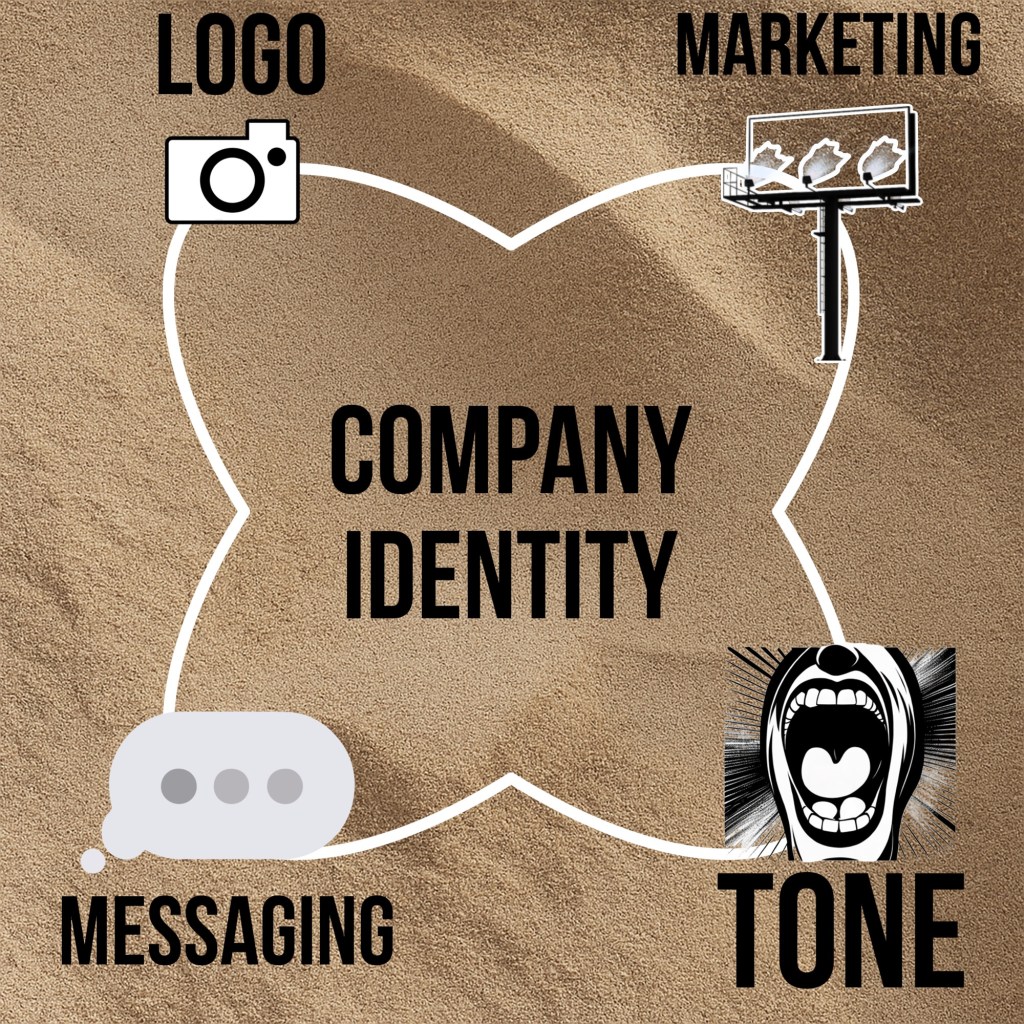
It helps companies stand out in competitive markets, creates professional appearances that attract prospects, gives marketing teams a clear direction, and starts with one of the most powerful tools of all: the logo.
Companies that invest in strong branding position themselves for long-term success.
They aren’t just selling products or services; they’re selling a story, an experience, and a trusted identity.
That’s why branding isn’t optional—it’s essential.

 RealTalkAJ
Leave a comment