I’ll be explaining how Freestyle Wrestling is different from Folkstyle.
How is Freestyle Wrestling different from Folkstyle?
Freestyle is different from folkstyle wrestling in several different ways.
Freestyle is mainly wrestled from the neutral position.
It’s more focused on takedowns and quick attacks while folkstyle values other aspects.
Folkstyle can choose to wrestle from the top and bottom.
It emphasizes the control of your opponent and scoring from the top position.
Wrestling in the Neutral Position
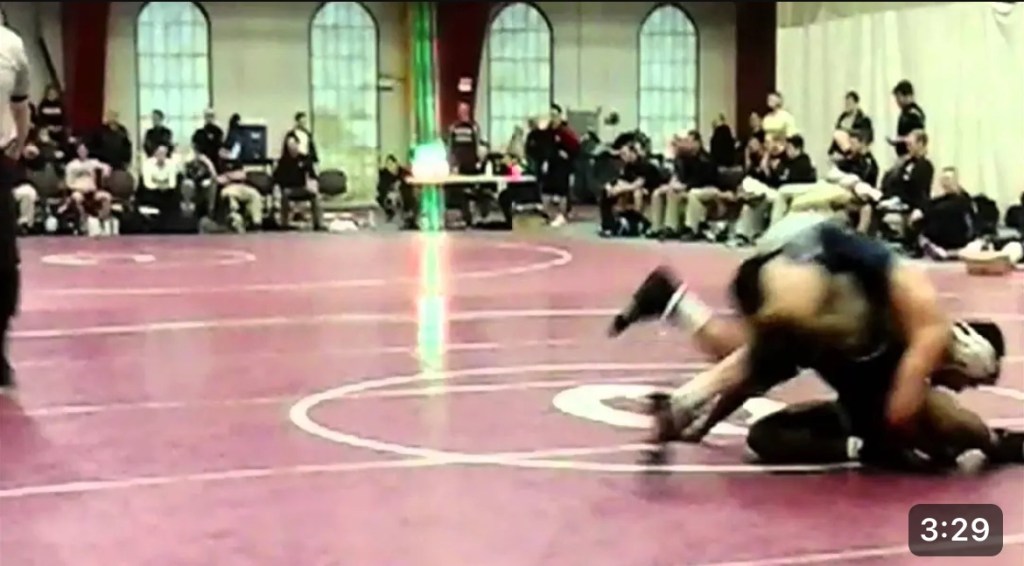
Neutral position wrestling is how every match is started off.
It’s when two wrestlers are standing.
There’s no advantage that either wrestler has over the other when the match starts.
This is the point in time where the wrestler that has a takedown in mind.
Whether it’s scored offensively or defensively both wrestlers are trying to get the opponent flat on the mat.
A wrestler can score off an attack they initiated or capitalize off a bad shot the other wrestler took.
When the struggle for a takedown happens there’s scenarios where a takedown is on the verge of happening but it’s not clear yet.
If a wrestler is fighting off a takedown and they get to the point where they’re threatened with giving up points that’s known as the neutral danger position.
It’s when the wrestler that’s getting ready to be taken down breaks a 90 degree plane.
If they’re in a position where their shoulder blades are less than that 90 for longer than 3 seconds the takedown gets awarded.
Wrestling in the top and bottom position
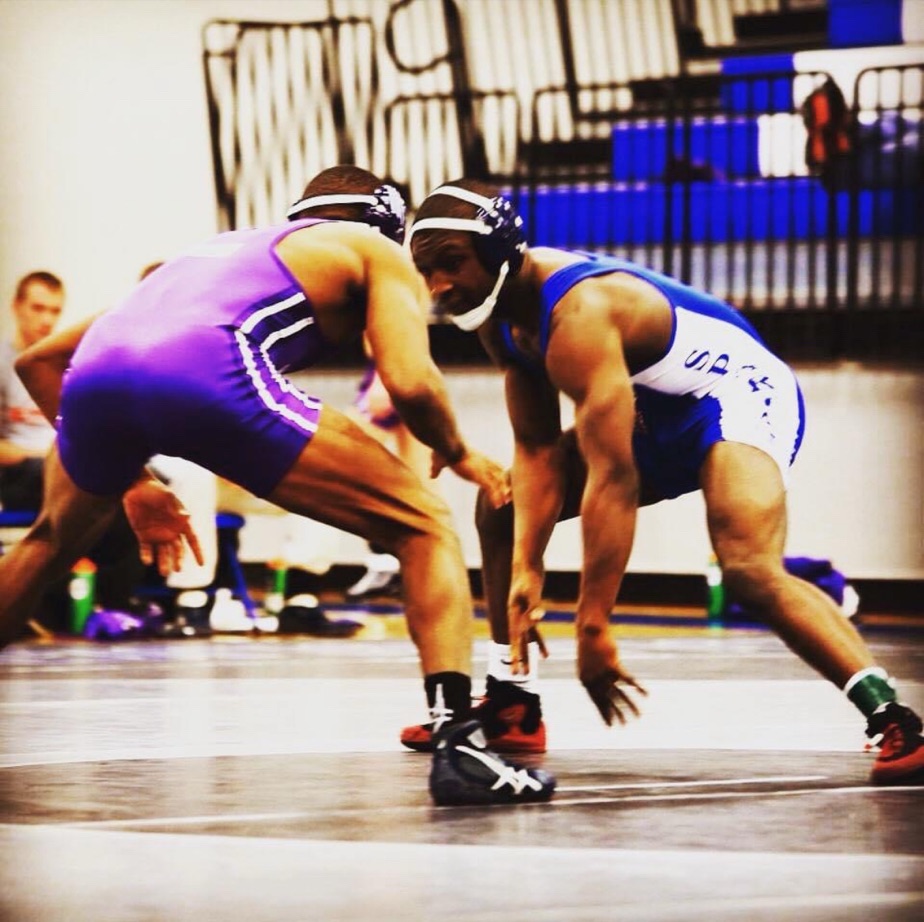
Top and bottom position in wrestling are just more ways to score in the sport.
When a wrestler reaches the top position they’re allowed to enforce holds that are made to eventually pin the opponent.
There’s several different locks and maneuvers that could be done to earn what’s known as back points.
In freestyle being on top leads to the goal of earning exposure points.
This can be taken very literal in where you’re merely trying to get the other wrestler’s back to touch the mat.
Every time that happens it earns 2 points for the wrestler that initiated the move.
In folkstyle the bottom position is a common choice for the wrestler that gets to choose because they can earn an escape point for getting away.
There’s ways to score from bottom in both styles though.
There can be what’s called a reversal and it can earn anywhere from 1 to 2 points depending on the style.
Wrestling Takedowns and Quick Attacks
There’s several wrestling takedowns that could be done to score points.
They’re usually variations of 3 common moves:
- double leg takedown
- Snap downs
- Body locks
The double leg takedown or double is getting to both of the legs of your opponent.
You put your arms around both of the legs and drive your own until they fall down on the mat.
If that’s not the takedown then it’s not uncommon to see the wrestler go for what’s known as a sweep single.
This is where the wrestler does what they can to snatch one of the legs from their opponent.
There’s plenty of other variations that can be employed from this position.
You might experience a fireman’s carry involving keeping the arm of your opponent and shooting in between legs to simply throw them over your shoulder.
A pancake could even be done.
It’s traditionally a move that’s done by capitalizing off the shot your opponent takes.
When they’re stuck down on the leg their opponent might adjust with the pressure and force them over with a cross face.
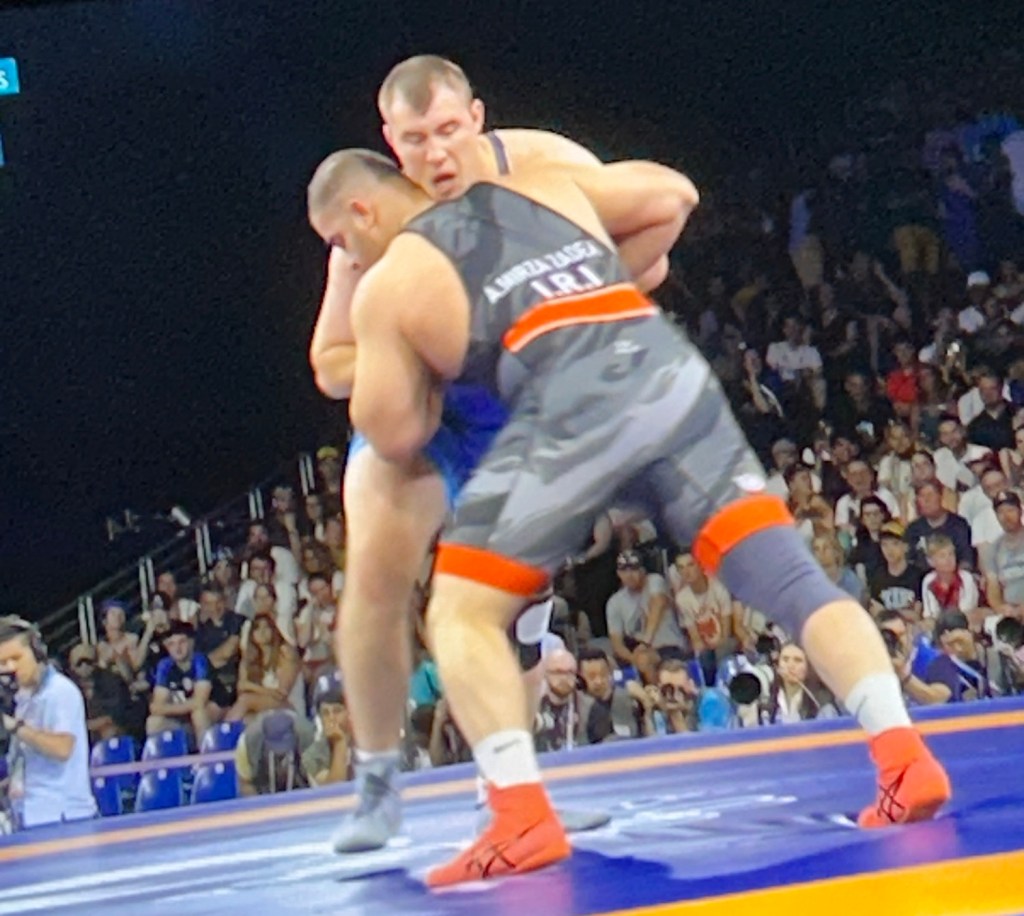
That cross face is the legal way of swiping at your opponent’s face usually to an arm and forces them to their back.
A snap down is when you apply enough pressure to your opponent until they’re on all fours and you spin around them until the takedown is awarded.
It’s usually speed combined with strength to get your opponent shaken up and off balance.
This highly underrated sequence is where high level wrestlers score most of their points.
Next is the bodylock.
This is another general term that involves an aggressive initiation from one wrestler to another.
They’ll always lock their hands and force the opponent down in an exchange that almost always leads from their feet to their back.
It can be a headlock or what’s called a bear hug most of the time.
Takedowns can be scored in many different ways.
However with that point there’s also universal positions that indicate a wrestler is in a good position to earn a takedown.
It comes down to having a good stance and following it up with motion.
That motion includes changing levels and moving forward to the leg with what’s known as a penetration step.
There’s movements that even include doing what’s called a back step to get the opponent off balanced.
Overall the goal is to get to the legs off a shot and finishing takes being able to lift.
Sometimes it doesn’t just end there though.
You might even have to perform a back arch to get the angle needed to complete the takedown.
Controls and turns from top
Difference between Folkstyle and Freestyle Wrestling
I didn’t have much of a relationship with Freestyle Wrestling until my Junior year of high school.
And even then my first competition wasn’t until Junior year of college.
My noticed difference in the two actually came from excitement level.
Most skilled wrestlers looked forward to Freestyle over Folkstyle.
I’d go to clubs and camps where I would meet kids across the country.
Fargo would end up being the tournament that most would want to qualify and compete at in Freestyle.
I didn’t apply enough effort into learning the style.
Maybe that’s why I never qualified myself.
I still trained it in off-season though.
What I would say the two have in common is the necessity for being proficient in neutral.
The top and bottom aspects are a little different though.
There’s more grace for going to your back in Folkstyle.
Folkstyle garners points in the top and bottom position by securing Near Fall points.
Freestyle penalizes it a little more aggressively.
Their idea of back points in Freestyle is Exposure Points.
Sure there’s nuances:
- not needing to wear a headgear set
- getting a 30 second break in between periods
But Freestyle is famously known as the international style.
 RealTalkAJ
Leave a comment