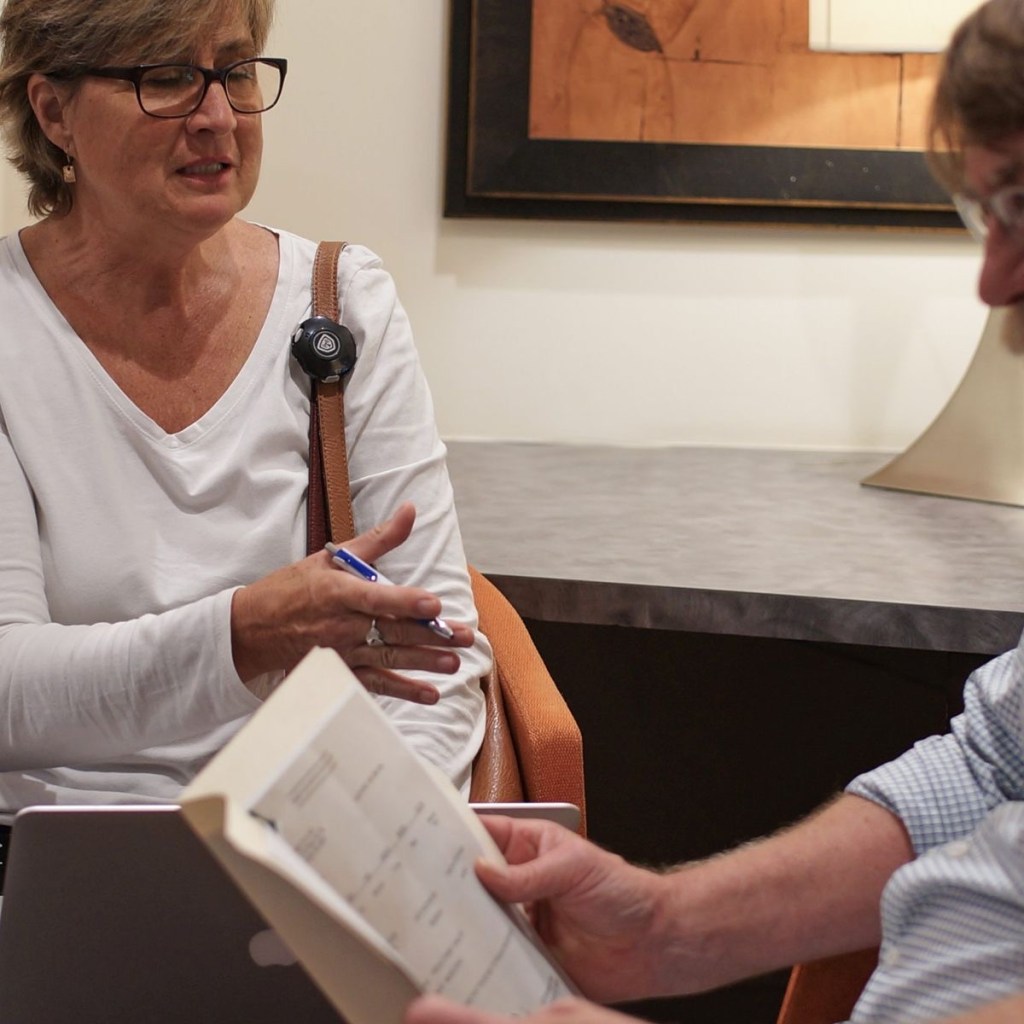
I’ll be explaining why someone would have a caseworker.
To be honest I’ll be sharing plenty of information on this post from first hand experience.
All that I’ll be demanding from those who choose to comment or share with something to say is you’re mindful.
This will be one of the closest first person recollections dealing with a case worker SO that’ll be how a majority of this post will be.
Why would someone have a case worker?
The reason someone would have a case worker is to receive a service of some sort.
If the goal is to fully utilize the benefits of these experts then it’ll be best to accept the advice that’s given and allow all parties involved to help reach a final chief aim together. There’s an issue that has to be resolved and it’s the responsibility of the manager to fix whatever it is with their client. PS that’s us.
Being served as a client
I’ll be painting the picture on how to properly allow yourself to be served as a client when dealing with a caseworker.
A major point of detail that I wanna point out is the importance of a healthy frame work when keeping things in perspective.
Fix a problem TOGETHER
It’s important that I address the point of having a case worker is to fix a problem together.
The magnitude of problems that you could be getting fixed along with the help of your case worker could vary.
They’re usually ones that are common problems within whichever area you stay in.
Case Worker FAQs
Why would an adult have a caseworker?
I’ll be explaining why an adult would have a caseworker.
Adults will usually seek the counseling of a caseworker for psychological help. This includes issues on multiple levels:
- Physical
- mental
- terminal
- chronic
- acute
Unaddressed trauma could be why it’s taking until adulthood for this service. There’s also financial issues. The list ranges in even more directions.
One of the toughest parts about this help is avoiding the feeling of being manipulated for more information. It’s important to lay out the boundaries early so those areas don’t get crossed in pursuit of getting helped.
Why would a doctor refer you to a social worker?
I’ll be talking about why a doctor would refer anybody to a social worker.
A doctor refers people to social workers because of what they’re capable of doing.
They understand that social workers are trained to assess and address issues their patients may be experiencing.
This includes the following:
- social
- emotional
- environmental factors
these are all factors that can impact a patient’s health and well-being.
What happens when you call a social worker?
I’ll be explaining what happens when you call a social worker.
When you call a social worker they will talk with you and the rest of the people living in your home.
They’re commonly active in cases that require child welfare.
There’s some cases in where a social worker may even report the person they’re investigating to Child Protective Services.
What kind of patients do social workers see?
I’ll be taking about what kind of patients social workers would see.
Social workers see a variety of clients.
Medical social workers for example will work with people of all ages.
Some of the type can range from the elderly to infants.
And that includes their families.
It’s common for these social workers to have a master’s degree to assure their clientele that they’re dealing with professionals.
They can be one of the biggest assets to your family.
They’ll work closely with you following any diagnosis that you’re unfamiliar with and still need help with.
Why would a hospital call a social worker?
I’ll be explaining why a hospital would call a social worker.
A hospital may call a social worker if a patient needs help overcoming an emotional issue usually stemming from anything that’s related to being at their hospital.
These social workers will also assist with financial problems and even physical ones as well.
It’s safe to say that they’ll function as a personal assistant with anything relating to finishing up business with the hospital.
 RealTalkAJ
Leave a comment